Power, Perks, and Public Safety

Previously when I stepped up to the microphone at the township council meeting, I reminded the governing body of a fundamental truth: real leadership requires learning from past mistakes.
Clark taxpayers have already endured the embarrassment and costly fallout of public integrity scandals. Our former mayor was convicted and permanently banned from holding public office after misusing township resources, equipment, and personnel for his private benefit. Sitting on the dais throughout that ordeal were many of the same officials leading our town today.
At the time, our community was promised a new chapter. We were told that Clark had learned its lesson, that oversight would be restored, and that taxpayer-funded assets would be treated with the respect and integrity the public expects.
Unfortunately, recent events prove that old habits die hard.
The Contrast in Public Safety
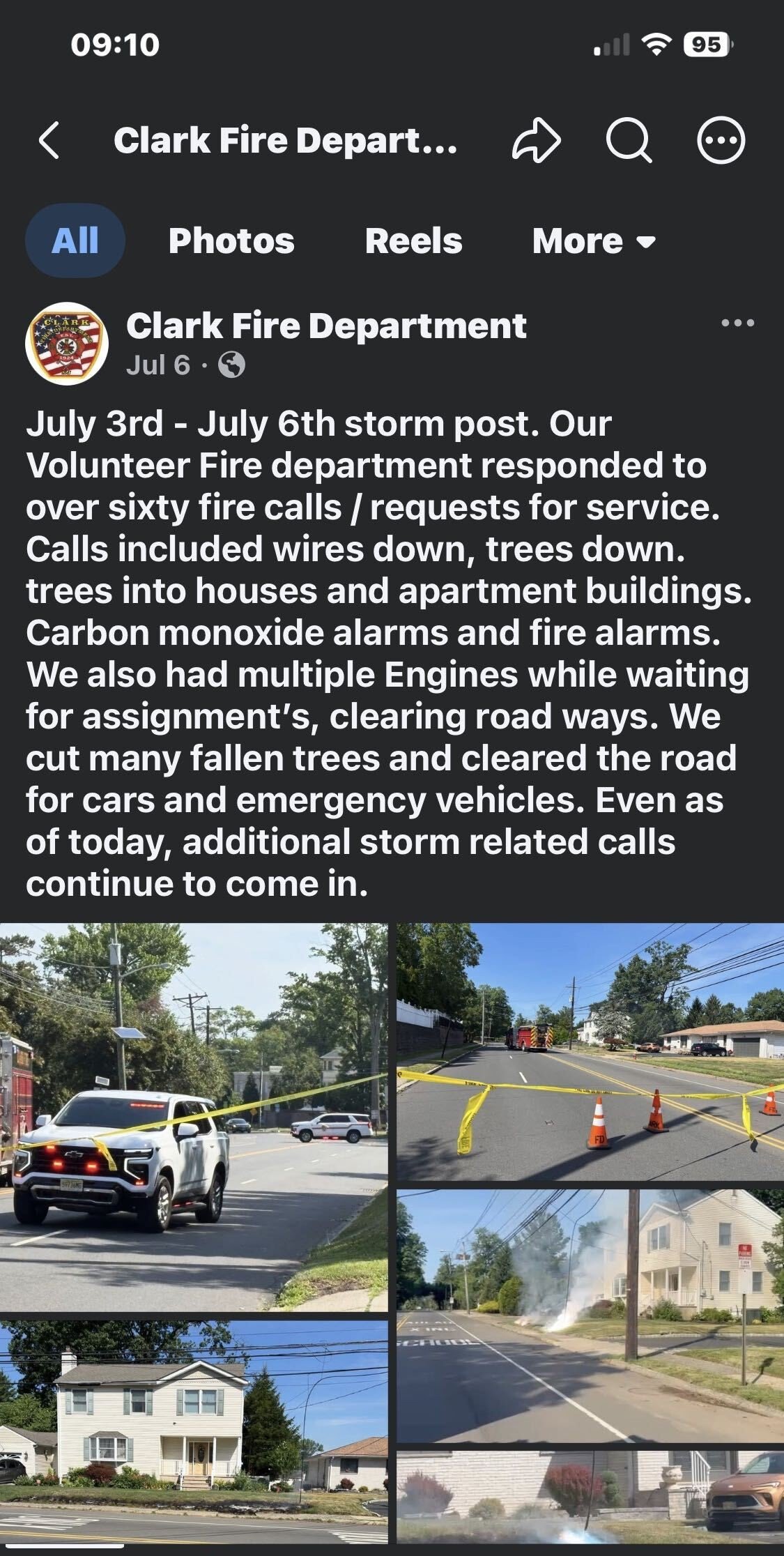
Over the July 4th holiday weekend, severe storms battered Clark. Our dedicated volunteer firefighters faced an unrelenting surge of emergencies, answering more than 60 calls for service. The engine companies cleared roads, secured live downed wires, and responded to tree strikes on town buildings. Their dedication kept our town safe under dangerous conditions.
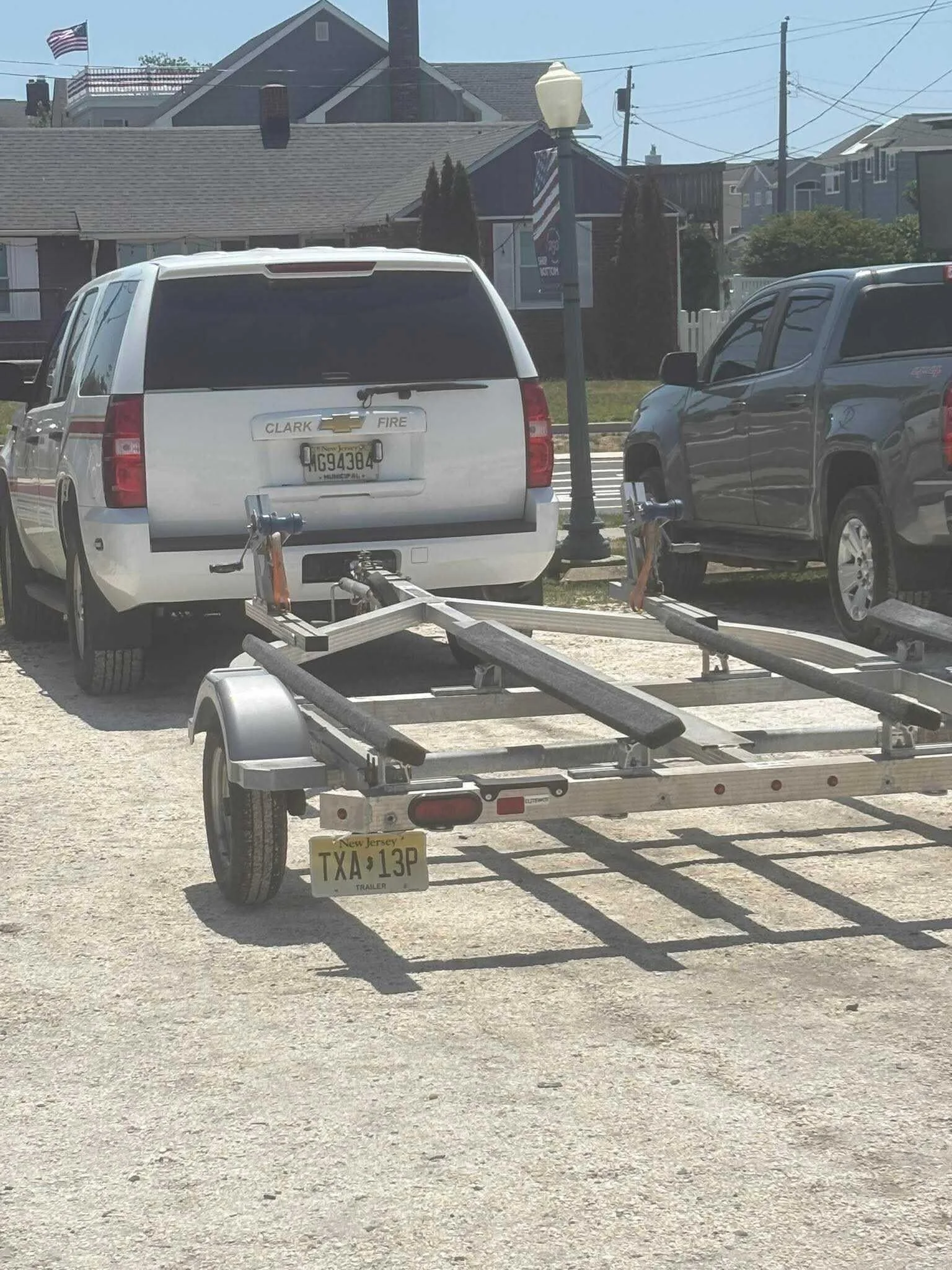
Yet during that exact same emergency, a marked Clark Fire Department command SUV (NJ-MG94384) was parked 90 miles away in Ship Bottom, hitched to a jet ski trailer.
When a member of the public questioned this at the August 17th council meeting, Mayor Albanese attempted to dismiss the issue, claiming the matter had been "investigated," acknowledging that the driver was a non-fire town employee, but that the trip was "in accordance with township policies."
That explanation did not stand up to scrutiny.
"If the Records Don't Exist, They Don't Exist"
When Stronger Clark filed an Open Public Records Act (OPRA) request for the investigative file, the Township Clerk officially certified in writing that no responsive records exist. There were no notes, no interview summaries, no memos, and no findings. Nothing to redact or withhold, nothing at all.
So, at the September 8th meeting, I took the podium to address the clear predicament we now face. How can there have been an official investigation, if there are no records? How is, what the mayor herself acknowledged to have happened, acceptable under our policies and procedures? The town’s own policy on vehicle use stands in stark contrast to her statements. The policy mandates official use only and that no supervisor possesses the authority to waive it. This is because our insurance will not cover us under these circumstances, should an accident occur. Thank goodness that didn’t happen this time, as far as we know.
When faced with this reality and in response to my numerous questions, the mayor gave up trying to explain the discrepancy. She simply responded, "If the records don't exist, they don't exist.". Council leaders then chose to attack residents for filing public records requests, dismissing legitimate oversight as a "performative spectacle” and “campaign speeches.”
The Path Forward
Telling the public to stop asking questions is not leadership. Shrugging off an undocumented "investigation" is not accountability.
When emergency equipment is diverted 90 miles away for holiday recreation during a localized crisis, it compromises our emergency preparedness and disrespects the volunteer first responders on the front lines working out in the storm.
We cannot continue to look the other way when town assets are treated as personal perks. Clark needs real checks and balances. So, what can we do?
Under the Faulkner Act, Clark’s executive branch controls daily operations and department heads. When the Mayor and Business Administrator decide to look the other way, or if they claim an undocumented, verbal "investigation" satisfied the rules, any internal department policies become toothless against the people at the very top.
To address the executive level specifically without adding a single ounce of red tape to front-line first responders, let us consider these three targeted solutions:
1. Explicitly bar any non-certified, civilian municipal employee (including the Mayor, Business Administrator, and civilian department directors) from operating any marked emergency response apparatus, fire/EMS vehicles, or police utility assets. The only exemption should be what is needed for documented maintenance.
2. End any take-home vehicle perks from civilian employees, full stop. Only properly certified first responders, assigned to and in good-standing with our agencies, and acting in that capacity, should be permitted to take vehicles home.
3. Amend the township's administrative code so that any formal complaint or inquiry alleging municipal asset misuse by the Mayor, Business Administrator, or Council Members cannot be investigated internally by the executive branch. Such complaint must automatically trigger an independent review by external conflict counsel, the Municipal Excess Liability Joint Insurance Fund (MEL JIF) risk manager, or referral to the Union County Prosecutor’s Office.
From what I can see, none of these measures are currently codified in our local laws. We have administrative policies in place, yes. However, policies are enforced by the administration. Thus, the fox has been placed in charge of the henhouse.
Our public safety personnel already follow strict protocols and log their service every single day. The problem in Clark isn't our first responders. It’s that town hall leadership acts like the rules only apply to the people underneath them. We don't need more paperwork for the front-line firefighters, EMTs, cops, and dispatchers who answer our 911 calls. We need laws that stop civilian administrators from treating emergency vehicles as personal holiday perks.
